Blog 85: 3 Limiting beliefs that are holding back your visibility
You Have the Knowledge. So why is your online presence not showing it?
The real reason established experts stay invisible online — and what it is actually costing you.

You feel like you HAVE something to say.
You have been meaning to make that post for weeks.
You made the graphic for the post… but it is still sitting there… in your drafts, because it is somehow not perfet.
You have a notes app full of ideas. A voice note you recorded in the car because the thought was too good to lose. A ton of ideas… still unwritten.
And so nothing goes out.
Not the post. Not the article. Not the updated profile photo. Not the visual that took you an hour to put together before you decided the font was wrong.
Sound familiar?
Here is what I want to say to you directly:
The problem is not your knowledge.
You know your field. You know what you think. You know what you want to say. But something is holding you back.
Something else is going on. And until you name it, nothing changes.
The Symptoms Are Obvious. What Is Behind Them Is Not
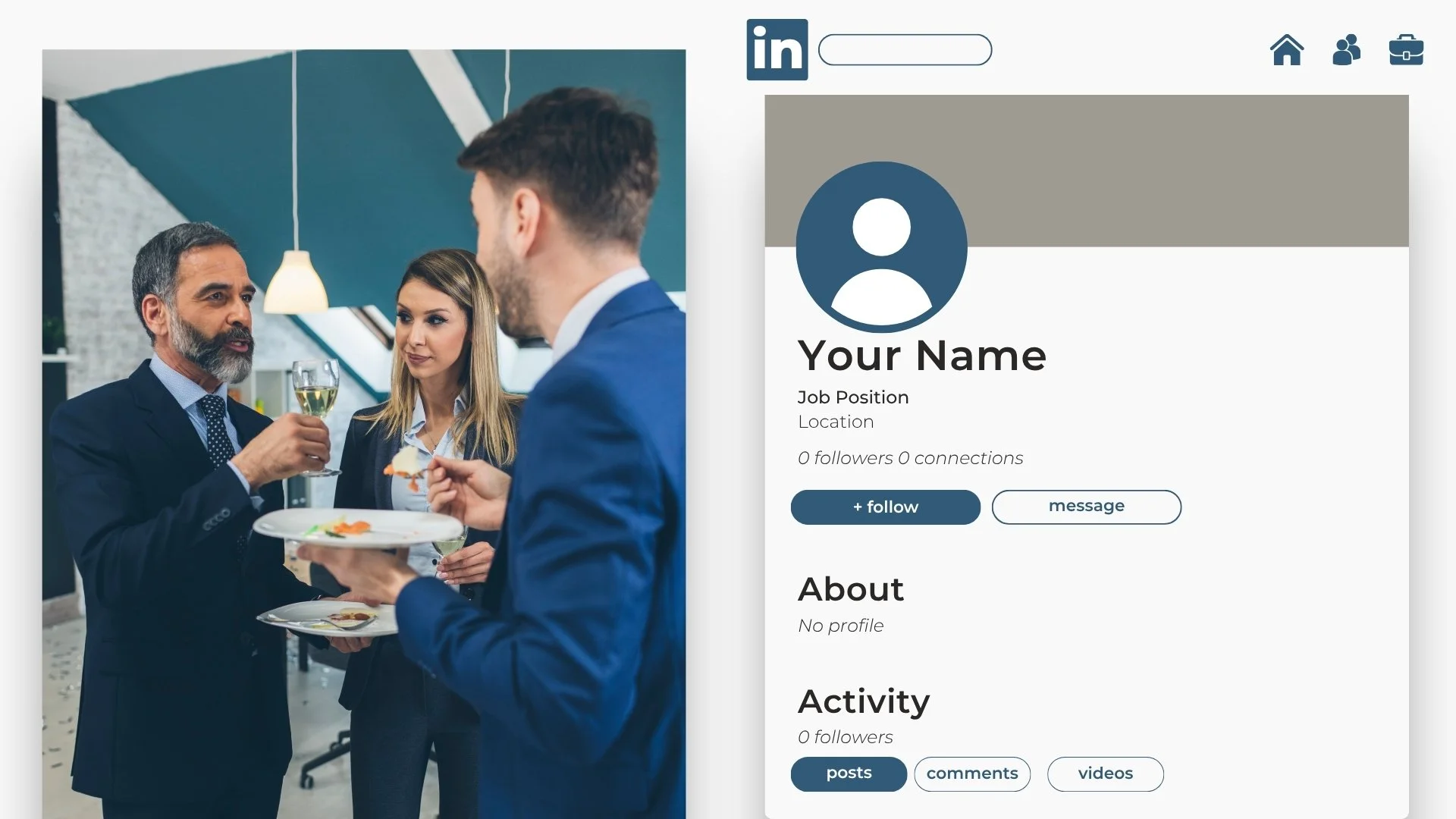
The visibility gap between real expertise and online personal brand presence.
The draft folder that never empties. The LinkedIn headline that still says the same thing it said four years ago. The ideas in your notebook that never made it to a post. The website that is almost ready.
These are symptoms and they point to something deeper.
Because here is what I see working with founders, consultants and coaches who are at the top of their game professionally: the people with the most to say are often the ones saying the least online… there… I said it.
Not because they don’t have fully formed ideas. Not because they do not know what they want to say. But because something underneath is getting in the way.
Three things, actually.
“The notes app full of ideas, the post that was almost ready, the photo you never uploaded — none of that builds your reputation in the market. Only what you actually put out there does.”
The First Thing Holding You Back: The Perfectionism Trap

If what I am about to say makes you feel uncomfortable, great! Here it is: the more you know, the harder it is to hit publish.
A beginner posts without thinking twice because they cannot yet see all the gaps in what they are saying.
You, with your 15, 20, 30 years of experience behind you, you can see every detail you have left out. Every angle someone might push back on.
So you refine. You adjust. You read it one more time. And the post gets technically better but somehow never feels ready.
Or the excuse may be the photo, the graphic, the font, too big, too small, not the right color, too bright, not the right mood… again… sound familiar?
Psychologist Carol Dweck, whose research on mindsets has shaped how we understand high performance, shows something crucial: when high achievers adopt a fixed mindset and tie their sense of self to flawless results, anything less than perfect can feel like a direct threat to their self‑esteem and self‑worth. In that state, they tend to avoid challenges, fear exposing weaknesses, and become preoccupied with continually proving they are smart and capable, especially because so much of their status and self‑evaluation depends on sustained high performance and external validation.
And researchers have a name for the flip side of this too. The Dunning-Kruger effect, most commonly described as low-skill people overestimating themselves and experts underestimating themselves. The most competent people most consistently underestimate what they know and what they have to offer.
So you sit on the post. Because it is not quite right yet. You leave it for next week, but next week never comes
Here is the reframe: perfectionism is not a quality standard. It is a procrastination strategy.
Think about this: The imperfect post that reaches one person who needs to hear it creates more value than the perfect one sitting in your drafts folder forever.
Brené Brown put it plainly: "Perfectionism is not about having high standards. It is about fear."
Fear dressed up as discipline is still keeping you invisible.
“The post you are still editing is not helping anyone. Not your future clients. Not the people who need what you know. And honestly, it doesn’t help you either.”
The Second Thing Holding You Back: Fear of Being Seen

In person, you know how to read the room. You can adjust your tone. You can see someone's face and know whether to go deeper or pull back. You feel in control.
Online, you relinquish control. You no longer know who is reading, watching on the other side. You post something and it just sits there. In the open.
For someone who has spent decades building a reputation, that exposure is real. What if a former colleague thinks it is too self-promotional? What if a client sees it and thinks it is not professional enough? What if you say something that will be criticized?
Brené Brown calls this the vulnerability of visibility. The discomfort of being seen before everything is perfectly calibrated. Before you have control over how it lands.
But here is what I need you to hear: staying quiet online does not protect your reputation. It just means someone less qualified is filling the space you should be in.
I means that you are letting your reputation HAPPEN TO YOU instead of YOU making it happen FOR you.
And today, your digital footprint is your reputation for everyone who will never meet you in person first. That is most of your future clients. Most of the journalists who write about your industry. Most of the event organizers looking for a keynote speaker. Most of the collaborators, investors, partners who will hear your name before they ever meet you.
They are not asking for a personal introduction. They are Googling you. They are searching you on ChatGPT, Claude, Gemini and other LLM’s.
What they find in those first 30 seconds is now your pitch, your credibility, your positioning whether you designed it that way or not.
“Not showing up is also a choice. It just means you are leaving your reputation in the digital space to chance instead of being proactive and intentional about it.”
Seth Godin has written about this for years. In Linchpin he calls it the resistance, the internal force that shows up every single time you are about to do something that matters. The solution, he argues, is not to make the resistance go away. It is to ship anyway. To publish before it feels safe. Because it never fully feels safe. That is not a sign something is wrong. That is a sign something is real.
The Third Thing Holding You Back: You Think You Should Do This Yourself

This is the not-so-obvious one. And it is quietly the most expensive.
You have built your entire career on figuring things out. You are resourceful. You are capable. And if we are being honest, you are a little resistant to asking for help with something you feel you could technically handle yourself.
So your Personal Brand becomes one of those things. You will sort out the strategy. You will write the content. You will update the photos. You will figure out the visual identity. Eventually. When things slow down. When you have a clearer idea of what you want to say.
Except it never happens. Because your actual work, the work you are brilliant at, keeps taking priority.
Michael Gerber wrote about this in The E-Myth. The entrepreneur trap: the belief that the person who is best at technical work is also the person who should be doing everything around it.
The expert who is exceptional at what they do is often the last person who should be spending hours trying to crack their own visibility infrastructure.
Your time has a value. Every hour you spend trying to figure out personal branding alone: the strategy, the content, the visuals, the positioning, is an hour not spent on the work only you can do. The work you have spent two decades building.
You would not do your own legal contracts. You would not handle your own accounting. Why is your visibility any different?
The most visible experts I know did not figure this out alone. They made a decision: this matters enough to get real support for it. Done-for-you is not admitting defeat. It is understanding the value of your own time.
“You became an expert by going deep. Let someone else build the infrastructure that makes that expertise visible.”
What All Three Have in Common
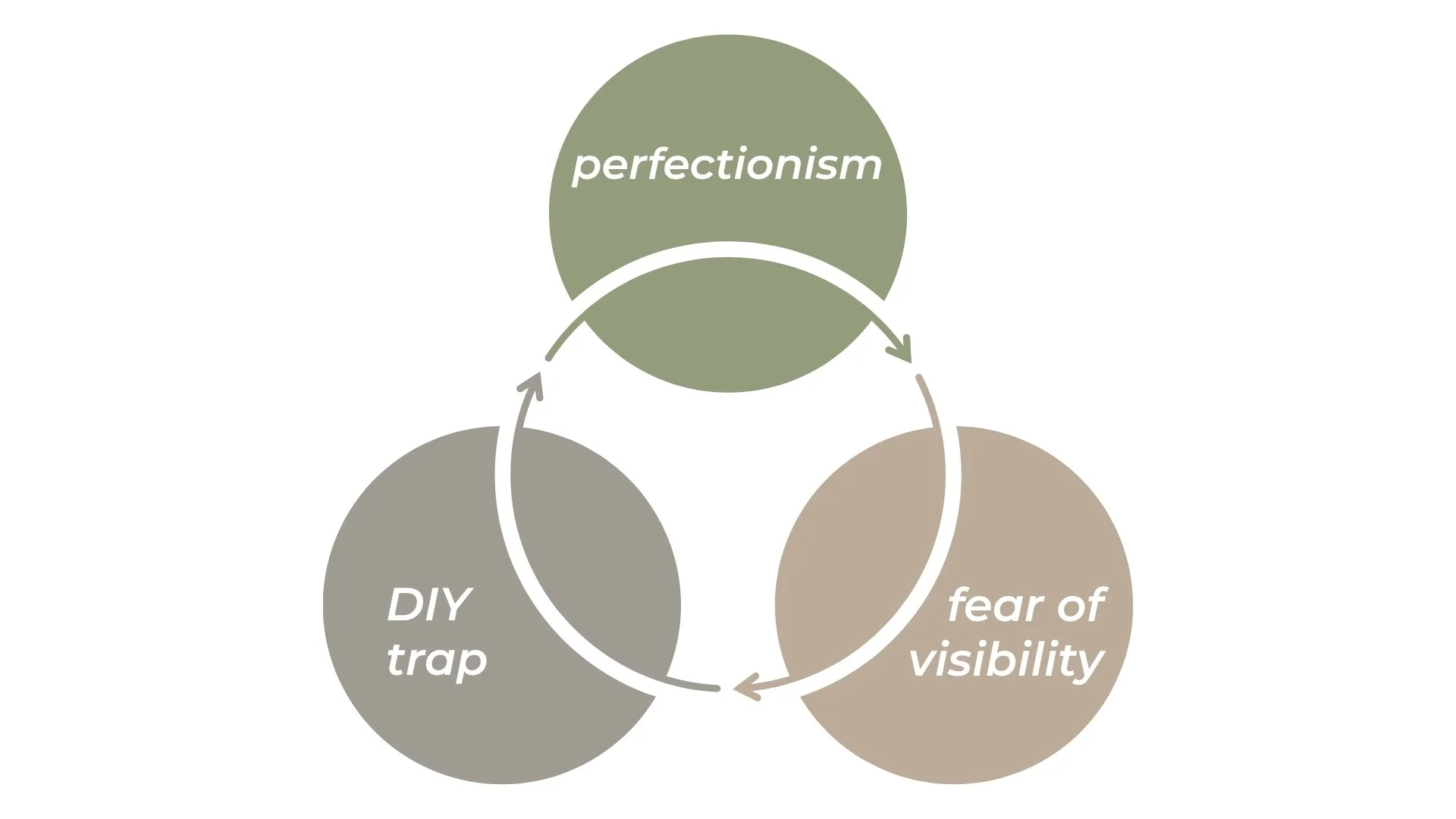
Perfectionism. Fear of being seen. The belief you should do it all yourself.
They look different on the surface. But underneath, they share the same root: beliefs about what it means to show up and what might happen when you do.
The belief that your output has to be perfect before it is worth sharing. The belief that visibility means exposure to judgment. The belief that needing support is a sign you have not figured it out yet. The belief that quality speaks for itself and you should not have to promote it.
None of these are illogic beliefs, some of them might have even helped you become excellent. They kept your standards high.
But in the context of building a visible presence of making sure the market actually knows who you are and what you bring they are keeping you stuck.
“The beliefs that made you successful in private are sometimes the exact ones holding you back in public.”
Here Is What Staying Invisible Is Actually Costing You

All those things you “almost” did, but never finished (the posts, the articles, the graphics)... none of that is building your reputation.
None of that is reaching the people who need what you know. None of that is closing the gap between the expert you are and the authority the market recognizes.
Your digital presence is not vanity. It is an ASSET, to open doors, to attract opportunities, to create real impact.
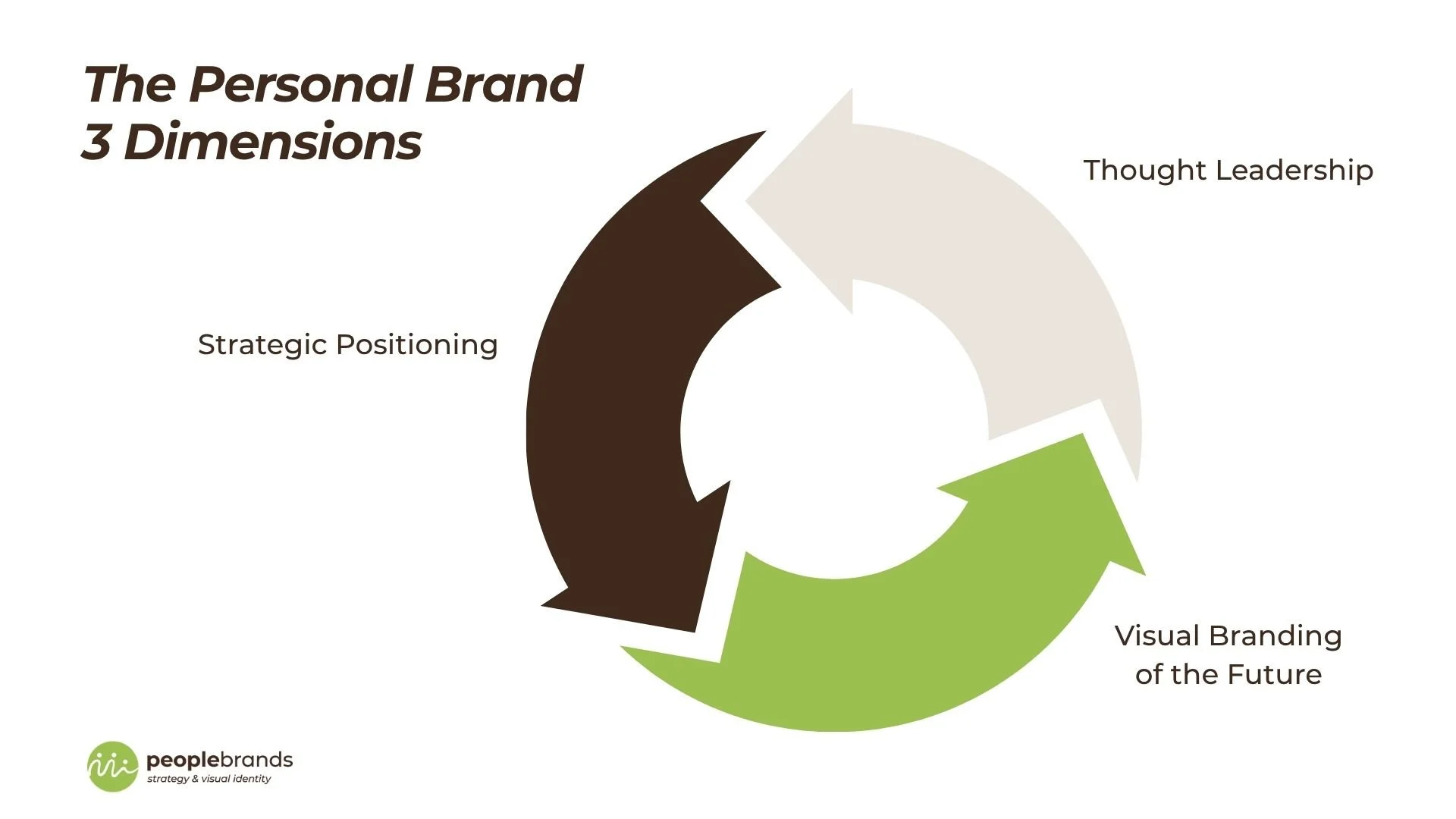
And it is built from three things working together: strategic positioning that makes clear who you are and who you serve. Thought leadership content that puts your expertise into the world consistently. And a visual identity that reflects the level you are actually at — not where you were three years ago.
Without those three working together, it does not matter how good you are in person. The people who need you cannot find you. And the opportunities that should be coming to you are going to someone else.
So. What Is Actually Stopping You?

Go back to the symptom that hit closest when you were reading this.
Now ask yourself: which of the three traps is holding you back?
Perfectionism — the belief it is not ready yet and maybe it never will be?
Fear of being seen — the discomfort of being visible at this level with this much on the line?
The DIY trap — the quiet belief that you should sort this out yourself, when you get around to it?
Name it. That is the first move. You cannot walk out of a trap you have not seen clearly.
And if you want a structured, private way to understand exactly where your visibility gaps are — not just in content, but across every dimension of your personal brand — the Personal Brand Visibility Scorecard is built for exactly this moment.

Take the Personal Brand Visibility Scorecard to measure your positioning across all 7 dimensions that determine whether you're seen as THE go-to expert or just another well-qualified option.
In 10 minutes, you'll discover:
✓ Strategic Positioning strength - Is your differentiation clear and memorable?
✓ Network assessment - Is your network opening doors or limiting opportunities?
✓ Visibility Mindset - Are you genuinely ready to be seen, or is imposter syndrome holding you back?
✓ In-Person Visibility - Are you showing up where decision-makers gather?
✓ Online Visibility - Is your digital presence working for you or against you?
✓ Thought Leadership progress - How far along are you on the path to recognized authority?
✓ Visual Brand impact - Does your visual presence build or undermine credibility?
✓ Where to focus for fastest results - Your specific next steps based on YOUR unique profile Most importantly: You'll see exactly where to focus first for maximum impact—so you're not wasting time on visibility strategies that don't move the needle for YOU.
What Happens Next
Based on your results, you'll receive:
Your personalized visibility profile showing your strengths and gaps across all 7 dimensions.
A prioritized action plan so you know exactly where to focus first .
The opportunity for a complimentary 20-minute Visibility Strategy Call where we'll map your fastest path to attracting premium clients without the guesswork.
Frequently Asked Questions
Q: Why do established experts struggle to post online?
A: The most experienced professionals often struggle the most with online visibility — not because they lack ideas, but because high expertise creates high standards, which creates perfectionism. Add the fear of peer judgment and the belief that visibility means exposure, and you have a pattern that keeps some of the most qualified people silent online.
Q: What is the DIY trap in personal branding for experts?
A: The DIY trap is the belief that a capable, resourceful professional should manage their own personal brand — strategy, content, and visuals — without external support. The problem is opportunity cost: every hour spent on personal branding infrastructure is an hour away from the expert's highest-value work. Done-for-you support is a strategic decision, not a shortcut.
Q: How does perfectionism stop experts from creating content?
A: High-level expertise creates high awareness of every gap, nuance, and caveat in your own thinking. This leads to endless editing and revision — and content that never gets published. Research on the reverse Dunning-Kruger effect shows that the most competent people most frequently underestimate what they know. The solution is shifting from a maximum standard to a minimum viable standard: publish when content is useful, not when it is flawless.
Q: What is a digital footprint and why does it matter for consultants and founders?
A: Your digital footprint is everything someone finds when they search for you — LinkedIn, published content, visual presence, positioning. For established experts, it is the first impression for every potential client, collaborator, or opportunity that will never come through a personal introduction first. A strong digital footprint builds credibility before any conversation begins.
Q: What does personal brand strategy include?
A: Effective personal brand strategy for established experts includes three integrated elements: strategic positioning (a clear, differentiated message), consistent thought leadership content (regular visibility in the right places), and aligned visual identity (professional visuals that match your current level of authority, not where you were years ago).

About Blanca
I'm a Personal Brand Strategist and TEDx Speaker helping accomplished experts become the go-to authority in their field.
You've already built the expertise. I bring the strategic positioning and visual identity to make sure the right people see it.
With 10+ years in corporate (Siemens, Nestlé, Gates Foundation) and a Master's in Marketing, I understand both the corporate world and the journey of building a business around your expertise. That's what makes my approach different.
I speak on Personal Branding, Visual Identity, Thought Leadership in the AI Era, Entrepreneurship as an Expat, and The Power of Reinvention.
Ready to become the go-to authority in your field?